St. Patrick's Day Pipe Embroidery Design Review
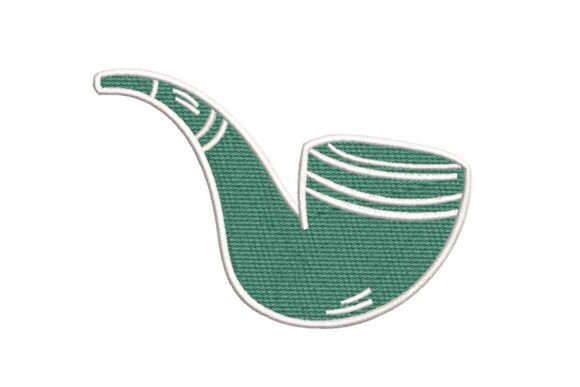
As an experienced embroidery designer who has spent years curating collections for weekend craft fairs and managing a bustling handmade shop, I know that the difference between a product that gathers dust and one that flies off the table often comes down to a single design choice. When I first laid eyes on the St. Patrick's Day Pipe Embroidery Design, I immediately began visualizing it across my upcoming inventory. This machine embroidery design features a classic bent smoking pipe stitched with a solid green fill, outlined and accented with crisp white satin stitching. It is a bold, rustic, and slightly whimsical take on the holiday that feels perfectly suited for the modern farmhouse aesthetic dominating current market trends.
First Impressions: A Bold Statement for the Season
The immediate reaction to this design is one of confidence. Unlike the typical four-leaf clovers or leprechauns that clutter shelves every March, this pipe motif offers a unique narrative. The combination of the deep green fill and the bright white satin stitch creates a striking contrast that catches the eye from several feet away—a crucial factor when setting up a booth in a crowded marketplace. The design feels less like a generic seasonal decoration and more like a curated piece of art. It strikes a balance between festive and sophisticated, making it an excellent candidate for high-quality handmade products that command a higher price point.
For the Etsy seller or boutique maker looking to stand out, this design offers a fresh perspective. It avoids the "cheap" look often associated with overused clipart by utilizing clean lines and distinct color blocking. The solid green fill suggests a substantial presence, while the white accents add a touch of elegance and definition. This makes the St. Patrick's Day Pipe Embroidery Design versatile enough to work on both rugged, textured fabrics and smoother, premium materials.
Product Placement: Where Does It Shine?
When planning a table display for a craft fair, I always consider how a specific digital embroidery file translates into tangible goods. Here is how I envision this design performing across various product categories:
- Tote Bags and Market Bags: The scale of this design works beautifully as a central focal point on canvas tote bags. The green fill will pop against natural beige or cream-colored canvas, creating a statement piece that customers will want to carry around town. It transforms a simple utility item into a fashion-forward accessory.
- Kitchen Textiles: For apron embroidery and tea towel embroidery, this design adds a playful yet charming element to the kitchen. Imagine a sturdy cotton apron with this pipe stitched near the chest pocket or a linen tea towel hanging in a farmhouse-style kitchen. The texture of the fabric complements the stitch density, giving the finished product a tactile, handcrafted feel.
- Embroidered Patches: One of the most profitable applications for any small shop product is the embroidered patch. This design is compact enough to be hooped easily for patches, which can then be sold individually or attached to denim jackets, hats, and backpacks. The white outline ensures the patch remains visible even when sewn onto dark denim.
- Caps and Headwear: Placing this design on a curved cap surface requires careful consideration, but the simplicity of the pipe shape makes it a strong contender. It works best as a front-center accent on baseball caps, offering a subtle nod to the holiday without being overwhelming.
- Pillow Covers and Home Decor: On pillow covers, the design serves as a decorative centerpiece. It pairs well with neutral home decor palettes, adding a splash of seasonal color that doesn't clash with existing furniture.
Production Realities: Practical Notes for Makers
While the visual appeal is undeniable, the practical execution is where the true value of a commercial embroidery project lies. As you prepare to turn this digital asset into a physical craft fair product, there are several technical considerations to keep in mind to ensure quality control.
Stitch Density and Fabric Choice: The description notes a solid green fill. In machine embroidery, large areas of fill can sometimes lead to puckering, especially on thinner fabrics like standard quilting cotton or delicate linens. Before committing to a full production run, I strongly advise testing the design on scrap fabric similar to your final material. You may need to adjust the stitch density or use a heavier stabilizer to prevent the fabric from warping. Thick fabrics, such as heavy twill or fleece, will generally handle the density better than lightweight options.
Contrast and Visibility: The success of this design relies heavily on the contrast between the green fill and the white satin stitch. If you plan to use this on dark fabrics, the white outline will remain visible, but the green fill might blend into the background unless you use a very vibrant, neon-like shade of green. Conversely, on light fabrics, the contrast is naturally high. Always review your thread colors against your chosen fabric under different lighting conditions, simulating both indoor booth lighting and outdoor daylight.
Hoop Size and Sizing: While the prompt does not specify exact dimensions, the nature of a pipe design suggests it needs sufficient space to maintain its character. Do not attempt to shrink this design too aggressively for small items like keychains or coin purses. At smaller sizes, the details of the pipe bend and the satin stitch accents may lose clarity, resulting in a muddy appearance. Stick to a hoop size that allows the design to breathe, ensuring the curves of the pipe remain smooth and defined.
Selling Strategy: Maximizing Booth Appeal
To maximize sales at a craft fair, presentation is everything. The St. Patrick's Day Pipe Embroidery Design should be showcased on mockups that highlight its versatility. Create at least one real mockup for each major product type—perhaps a photo of the design on a burlap tote bag, a linen apron, and a denim patch. These printable mockups are essential for your online listings and can also serve as signage at your physical booth.
Customers are drawn to items that look professional and cohesive. By using this design across a range of products, you create a sense of brand consistency. A shopper who likes the pipe on a tea towel is more likely to buy the matching tote bag if they see them displayed together. This cross-selling strategy increases the average order value and makes your booth appear more established and professional.
Furthermore, the uniqueness of the design sparks conversation. Instead of the usual "Happy St. Patrick's Day" greeting, this design invites curiosity. Customers might ask about the symbolism or simply appreciate the novelty. This engagement is vital for converting browsers into buyers. The design elevates the perceived value of the handmade product, allowing you to justify a premium price point compared to mass-produced alternatives.
Final Checklist for Success
Before you launch your collection, run through this quick checklist to ensure a smooth production process:
- Test Stitch Out: Run the embroidery file on your target fabric to check for puckering, thread breaks, or skipped stitches.
- Verify Licensing: Confirm that you have the appropriate commercial license to sell finished products made with this digital embroidery file. Never assume personal use rights extend to selling goods.
- Check Stabilizer Needs: Ensure you have the correct tear-away or cut-away stabilizer for the weight of your fabric to support the fill density.
- Review Spacing: Leave adequate seam allowance and spacing from edges to prevent fraying or distortion after washing.
- Photograph Well: Take high-resolution photos of the finished product in natural light to showcase the thread sheen and stitch quality for your Etsy listings.
In conclusion, the St. Patrick's Day Pipe Embroidery Design is a standout asset for any creative entrepreneur preparing for the spring season. Its bold aesthetic, combined with practical application across various textile products, makes it a smart investment for your inventory. By paying attention to production details and presenting the finished goods with care, you can create a memorable and profitable line of handmade products that resonate with craft fair shoppers and online buyers alike.