Gingerbread Boy Embroidery Design Review
As an embroidery designer who has spent years translating digital concepts into tangible threads for small businesses, I approach every new machine embroidery design with a critical eye. The goal is never just to make something look cute; the objective is to ensure it functions as a robust asset for brand identity and commercial viability. Today, I am reviewing the Gingerbread Boy Embroidery design, specifically evaluating its potential for branded merchandise, staff uniforms, and high-value handmade products. This review focuses on how this festive character translates from a screen into a professional product line.
First Impressions: Visual Personality and Brand Fit
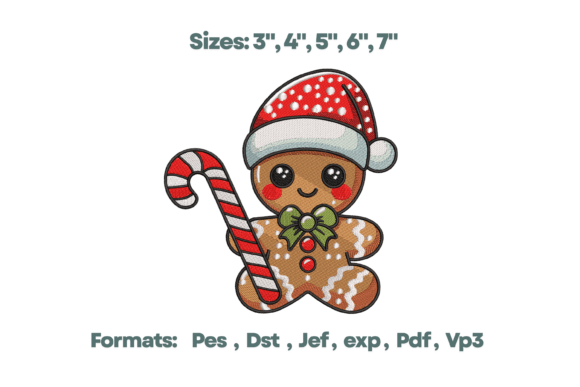
The initial concept of the Gingerbread Boy holding a candy cane immediately signals warmth, nostalgia, and holiday cheer. For a business owner, the visual personality of this design leans heavily into the "friendly" and "rustic" aesthetic rather than sleek or corporate. It feels inherently handmade, which is a significant advantage for boutique brands, bakeries, and creative studios looking to connect emotionally with their customers during the Christmas season.
However, when assessing Gingerbread Boy Embroidery for professional use, we must ask if it elevates the perceived value of the item. A well-executed version of this design can transform a standard tote bag into a premium gift. Conversely, a poorly stitched version can look messy and cheap. The key lies in the balance between playful charm and technical precision. If your brand relies on trust and quality, the execution of this embroidery file must be flawless to maintain that reputation.
Strategic Applications for Small Business Merchandise
For small business owners and Etsy sellers, versatility is currency. The Gingerbread Boy Embroidery offers several distinct avenues for integration into your product catalog:
- Staff Uniforms and Aprons: Imagine a local bakery or café adding this design to the corner of staff aprons. It instantly creates a cohesive team look while signaling the holiday spirit to customers. The design works exceptionally well as a chest logo accent or a sleeve detail on work shirts, provided the scale is appropriate.
- Custom Apparel and Caps: Cap embroidery requires careful consideration of space. Placing the Gingerbread Boy on the front of a winter hat or a flat-brim cap can serve as a subtle yet effective branding element. It turns a basic accessory into a seasonal collectible.
- Tote Bags and Product Packaging: As a tote bag design, this character adds immediate visual interest. It is also excellent for packaging accents, such as sealing a gift box with an embroidered tag or patch, enhancing the unboxing experience for your clients.
- Event Merch and Customer Gifts: For holiday parties or client appreciation events, this design serves as a perfect token. It is memorable, thematic, and demonstrates attention to detail without requiring a massive budget for custom manufacturing.
Evaluating Technical Performance and Limitations
While the concept is charming, the technical execution determines success. In my experience, designs featuring characters like the Gingerbread Boy often contain intricate details—such as icing patterns, facial features, and the texture of a candy cane. These elements pose specific challenges when moving from a digital embroidery file to physical production.
Stitch Density and Detail Management
High stitch density is common in character designs to fill areas like the gingerbread body or clothing. However, excessive density can cause puckering, especially on lighter fabrics like cotton tees or delicate linen. When using Gingerbread Boy Embroidery, you must carefully inspect the spacing of the stitches. If the density is too high, the fabric may warp, ruining the professional finish of your finished product.
Furthermore, tiny lettering or minute details, such as the expression on the boy's face, can get lost if the design is scaled down too much. Always verify that the smallest elements remain legible at your intended size. If the design becomes a blur of thread, it will fail to communicate your brand message effectively.
Fabric Texture and Surface Considerations
The surface on which you embroider matters immensely. Textured fabrics, such as heavy denim or fleece, can interfere with the definition of the design. On dark uniforms, the contrast of the thread colors becomes critical. You need vibrant, saturated threads to make the Gingerbread Boy pop against a black background. Additionally, curved surfaces like caps require specialized hoops and stabilizers to prevent distortion. If the design stretches over a curve, the symmetry of the candy cane or the boy's posture may appear warped.
Impact on Brand Identity and Customer Trust
Using a seasonal design like Gingerbread Boy Embroidery is not just about decoration; it is a strategic move to reinforce your brand identity. A high-quality embroidered patch or logo accent suggests that your business cares about quality and detail. This perception directly influences customer trust. When a client sees a professionally stitched design on a tote bag or apron, they associate that craftsmanship with the goods you sell.
However, consistency is key. If you use this design across multiple items, ensure the color palette aligns with your existing design assets. Mismatched thread colors or inconsistent sizing can dilute your brand recognition. The goal is to create a visual language where the Gingerbread Boy feels like a natural extension of your brand story, not an afterthought.
Practical Designer Notes for Production Success
Before committing to a full production run of Gingerbread Boy Embroidery merchandise, follow these essential steps to ensure a professional outcome:
- Test in Black and White First: Run a test stitchout using a single thread color. This allows you to see the structure of the design without the distraction of color. Check for gaps, jumps, and overall shape integrity.
- Verify Hoop Size and Scale: Confirm that the design fits comfortably within your hoop without stretching. Ensure the hoop size accommodates the entire figure, including the candy cane, without cutting off edges.
- Select the Right Stabilizer: Do not skimp on stabilization. Use a tear-away or cut-away stabilizer appropriate for your fabric weight to prevent shifting and puckering during the stitching process.
- Review Thread Color Contrast: Ensure the chosen thread colors provide sufficient contrast against the base fabric. Test swatches are crucial here, especially for dark garments.
- Create a Printable Mockup: Before mass production, generate a printable mockup to show clients or stakeholders. This helps visualize the final placement on apparel, patches, or bags and secures approval before investing time and materials.
- Check Commercial Licensing: Always confirm the licensing terms of the embroidery file. Ensure you have the right to use Gingerbread Boy Embroidery for commercial purposes, including selling finished goods, to avoid legal issues.
In conclusion, the Gingerbread Boy Embroidery design holds significant potential for small business merchandising if handled with technical care. It offers a delightful way to engage customers during the holidays while reinforcing a brand image of warmth and quality. By paying close attention to stitch density, fabric compatibility, and licensing, you can turn this festive character into a profitable and professional asset for your business.