Getting Lit Fall Embroidery Review
As an experienced embroidery designer preparing for the upcoming weekend craft fair, I am constantly evaluating new digital assets to see which ones will translate into bestsellers. Today, I am putting Getting Lit Fall Embroidery under the microscope. This Autumn themed design promises to bring creative projects to life with a unique and professional touch. But does it actually hold up when you move from the screen to the hoop? For craft fair sellers, Etsy shop owners, and boutique makers, the difference between a good design and a selling product often comes down to practical application and visual impact.
First Impressions: A Bold Statement for the Season
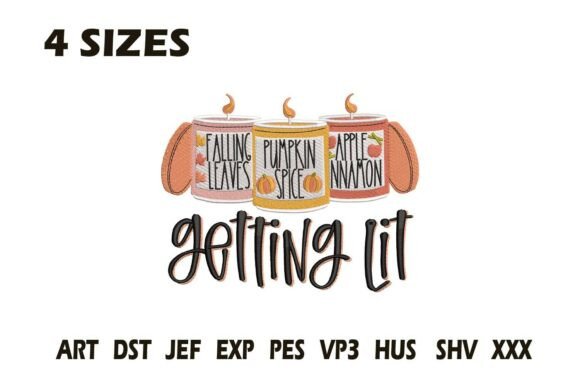
When I first loaded the preview of Getting Lit Fall Embroidery, the immediate vibe was festive and modern. The title suggests something energetic, perhaps playing on the popular "getting lit" phrase but recontextualized for the cozy, warm tones of the fall season. It feels less like traditional rustic farmhouse decor and more like a trendy, slightly edgy addition to a handmade collection. For a booth display filled with standard pumpkins and leaves, this design offers a fresh perspective that can grab a customer's attention from across the table.
The description highlights its suitability for clothing, accessories, and home décor, which is promising. However, as a designer, I know that versatility on paper doesn't always mean versatility in practice. The key question is whether the stitch density and line work are robust enough to maintain clarity on various fabric textures while still looking premium. If the design balances boldness with detail, it could become a staple for small shop products this season.
Evaluating Product Applications for Maximum Sales
To determine if this machine embroidery design is worth the production time, I visualized it on several high-demand items for my craft fair booth. Here is how Getting Lit Fall Embroidery performs across different mediums:
- Tote Bags and Market Bags: These are the bread and butter of any handmade market. Placing this design centrally on a canvas tote bag creates a strong focal point. The phrase likely reads well at a medium-to-large scale, making it perfect for shoppers grabbing a quick gift or a reusable bag for themselves.
- Aprons and Kitchen Towels: An apron embroidery project needs to withstand wear and washing. If the design has solid fill areas rather than just fine outlines, it will look excellent on heavy cotton aprons. Similarly, for tea towel embroidery, the texture of the terry cloth can sometimes swallow tiny details, so this design works best if it features chunkier elements.
- Embroidered Patches: Creating patches allows for batch production. If Getting Lit Fall Embroidery has a defined border or shape, it translates perfectly into an embroidered patch that can be sold individually or ironed onto denim jackets and hats.
- Caps and Headwear: Curved surfaces require careful consideration. If the design includes small lettering, it might distort on a cap brim. However, as a back-of-the-cap accent, it could offer a cool, seasonal statement for younger demographics.
- Pillow Covers and Home Décor: For home goods, the design adds a pop of personality. On a linen pillow cover, the contrast of the thread colors against the fabric will define the quality. This is where the "professional touch" mentioned in the description truly matters.
Practical Production Notes for Craft Fair Success
Before committing to a full run of finished products, every serious Etsy seller must consider the technical execution. When reviewing Getting Lit Fall Embroidery, I immediately thought about the potential pitfalls of dense stitch areas and small lettering. If the design packs too many stitches into a small space, it can cause puckering on thick fabrics like denim or heavy canvas. This is a dealbreaker for a professional-looking handmade product.
I also considered the thread colors. Fall palettes rely heavily on oranges, reds, and browns. To make the design pop, especially on dark fabric backgrounds, you may need to use a backing stabilizer that provides extra support without adding bulk. The hoop size is another critical factor; ensure your machine can accommodate the design dimensions without distorting the image. If the file requires a large hoop, it limits the types of products you can create, such as small pouches or hat brims.
Key Considerations for Quality Control
- Fabric Texture: Test the design on scrap fabric that mimics your final product. Textured towels can hide fine lines, while smooth cotton shows every imperfection.
- Stitch Density: Inspect the digital embroidery file for overly dense areas. Too much thread can pull the fabric and ruin the drape of a tote bag or apron.
- Clarity at Scale: Does the design lose meaning when shrunk down? For small accents, simplicity is key. If the text becomes illegible, resize or simplify the layout.
- Color Contrast: Ensure the thread colors stand out against the chosen fabric. High contrast increases visibility in photos and in person.
Visual Appeal and Booth Display Strategy
The ultimate goal of any commercial embroidery project is to stop the scroll online or catch the eye in a crowded market. Getting Lit Fall Embroidery has the potential to be a conversation starter. Its modern phrasing appeals to customers looking for something beyond the generic "Hello Autumn" designs flooding the market. By creating a cohesive display—perhaps pairing embroidered totes with matching tea towels—you create a lifestyle vignette that encourages multiple purchases.
Photography is equally important. A printable mockup can help you visualize the design before stitching, but nothing beats a photo of the real thing. When photographing the finished product, focus on the texture of the stitches. Close-up shots that highlight the quality of the stitch density and the vibrancy of the threads build trust with buyers. They want to see that the design is durable and professionally executed.
Final Designer Checklist Before Production
Before you turn Getting Lit Fall Embroidery into inventory, follow these steps to ensure success:
- Test Run: Always embroider a test version on scrap fabric to check for puckering or skipped stitches.
- Verify Licensing: Confirm the commercial license terms. As a business owner, you must know if you can sell finished goods or only the embroidery file.
- Mockup Creation: Create at least one physical sample to serve as a booth display piece and for listing photos.
- Stabilizer Selection: Use the right stabilizer for the specific fabric weight to prevent distortion.
- Size Verification: Double-check the hoop size requirements against your intended products to avoid last-minute surprises.
In conclusion, Getting Lit Fall Embroidery offers a refreshing take on Autumn themes. With careful attention to fabric choice, thread selection, and production quality, this design asset can significantly boost your booth's appeal and online sales. It is not just about having a cute pattern; it is about executing it flawlessly to deliver a premium handmade product that customers will love and remember.