Candy Cane Christmas Holiday Embroidery Review
As a designer who has spent years navigating the nuances of machine embroidery, I approach every new embroidery file with a critical eye. The holiday season is a make-or-break period for many small business owners and Etsy sellers. It is the time when a single well-executed design can define your entire product line for the year. Recently, I evaluated the Candy Cane Christmas Holiday Embroidery design to see if it holds up under the scrutiny of real-world application. This isn't just about how a pattern looks on a screen; it is about how it translates into thread, stabilizer, and fabric.
First Impressions: Visual Personality and Mood
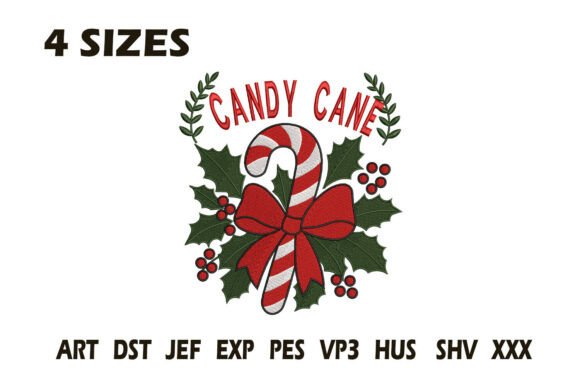
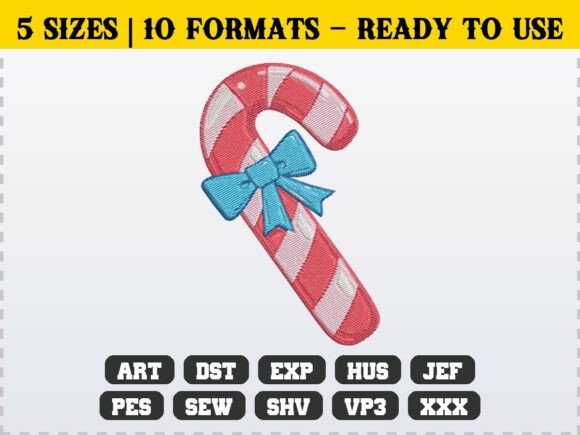
When I first loaded the Candy Cane Christmas Holiday Embroidery into my digitizing software, the immediate impression was one of classic cheerfulness. The design features the iconic red and white striped candy cane, accented by a lovely blue bow. This color combination is a departure from the standard all-red-and-green holiday palette, offering a fresh take that feels both nostalgic and modern. For a craft business looking to stand out in a sea of generic holiday items, this subtle shift in color theory is significant.
The layout is balanced, with the curve of the candy cane leading the eye naturally to the bow. The level of detail suggests a design intended for medium-to-large hoop sizes rather than tiny cap logos. The visual personality is sweet and inviting, making it an ideal candidate for personalized gifts, nursery decor, or festive home goods. However, as a professional reviewer, I immediately began thinking about the technical execution required to bring this specific aesthetic to life without compromising stitch quality.
Real-World Application: From File to Finished Product
To truly test the viability of this machine embroidery design, I imagined a specific project scenario: creating a limited run of custom embroidered tote bags for a local boutique. Tote bags are a staple for holiday shopping, and they require a design that is durable enough to withstand frequent washing while remaining visually crisp. In this context, the Candy Cane Christmas Holiday Embroidery performs admirably. The bold stripes of the cane would likely utilize a combination of satin stitch and fill stitch. The satin stitch on the stripes adds a glossy, premium feel that catches the light, enhancing the perceived value of the handmade product.
I also considered using this design for sweatshirt embroidery. Placing the motif on the chest pocket or the upper left side of a heavy cotton sweatshirt creates a cozy, artisanal look. The blue bow provides a nice contrast against darker fabrics like navy or charcoal gray, which are popular choices for winter apparel. For an Etsy seller focusing on baby embroidery, this design could be scaled down slightly for onesies or burp cloths, provided the stitch density is adjusted to prevent puckering on thin materials. The cheerful nature of the pattern makes it universally appealing, increasing the likelihood of buyer engagement and repeat customers.
Navigating Fabric Challenges and Technical Constraints
While the design is versatile, there are scenarios where caution is required. The intricate details of the blue bow and the tight curves of the candy cane stripes demand precision. If you attempt to use this digital embroidery file on highly textured fabrics like thick fleece or boucle, the fine lines may get lost in the weave. Similarly, on very thin or stretchy fabrics, the stitch density might cause the material to pucker unless a high-quality stabilizer is used.
Another consideration is the placement on curved surfaces, such as caps or hats. The elongated shape of the candy cane works well on flat panels but might distort on the rounded crown of a baseball cap. In such cases, testing the design on a scrap piece of similar fabric is non-negotiable. You must ensure that the running stitch outlines hold their shape and that the fill areas do not become too dense, which can lead to thread breakage or stiffness in the finished item. For products that need frequent washing, such as kitchen towels or aprons, verifying that the thread colors are colorfast and the backing is secure is essential to maintain professionalism over time.
Design Notes for Professional Execution
For those planning to incorporate Candy Cane Christmas Holiday Embroidery into their commercial projects, here are my practical notes based on experience:
- Test on Scrap Fabric First: Never skip this step. Run a test on the exact fabric you intend to sell. Check for puckering, especially around the transition between the red and white stripes.
- Check Thread Color Contrast: While the default colors are vibrant, consider how they will appear on different background fabrics. A dark background might require a lighter outline to ensure the embroidered patch stands out.
- Review Stitch Density: Inspect the file to ensure the fill stitch isn't too heavy. High density can make the design stiff, which is undesirable for clothing items like baby clothes or lightweight scarves.
- Confirm Hoop Size: Verify that your machine's hoop accommodates the full dimensions of the design without cropping the bow or the tip of the cane.
- Use Proper Stabilizer: Depending on your fabric texture, a cut-away stabilizer may be necessary for durability, while tear-away might suffice for stiffer items like pillow covers.
- Mockup Testing: Create printable mockups in black and white to assess the silhouette before stitching. This helps visualize the design's impact without the distraction of color.
- Licensing Verification: Before selling any finished product or digital assets containing this design, confirm the licensing terms. Ensure you have the right to produce and sell items commercially.
Impact on Brand and Customer Perception
Ultimately, the choice of an embroidery project design affects your brand identity. Using a high-quality asset like Candy Cane Christmas Holiday Embroidery signals attention to detail. Customers buying custom apparel or holiday gifts are often looking for a sense of care and craftsmanship. When the stitching is clean, the colors are vibrant, and the placement is thoughtful, it builds customer trust. Conversely, a poorly executed version of a popular theme can damage your reputation.
This design offers a unique opportunity to elevate your small shop product lineup. By moving away from overused motifs and selecting a design with a distinct color palette and clear structure, you position your work as premium. Whether you are creating a tote bag design for a craft fair or a personalized ornament for a holiday market, the visual appeal of the candy cane and bow combination is strong. It evokes the spirit of the season without feeling cliché.
In conclusion, Candy Cane Christmas Holiday Embroidery is a robust option for designers and makers who understand the mechanics of machine embroidery. It requires careful preparation regarding stabilizers, fabric choice, and hoop sizing, but the potential payoff in terms of product quality and customer satisfaction is high. As you prepare for the busy holiday season, remember that the best designs are those that bridge the gap between digital creativity and tangible, high-quality craftsmanship. Take the time to test, refine, and execute this design properly, and it will undoubtedly sweeten your holiday sales.